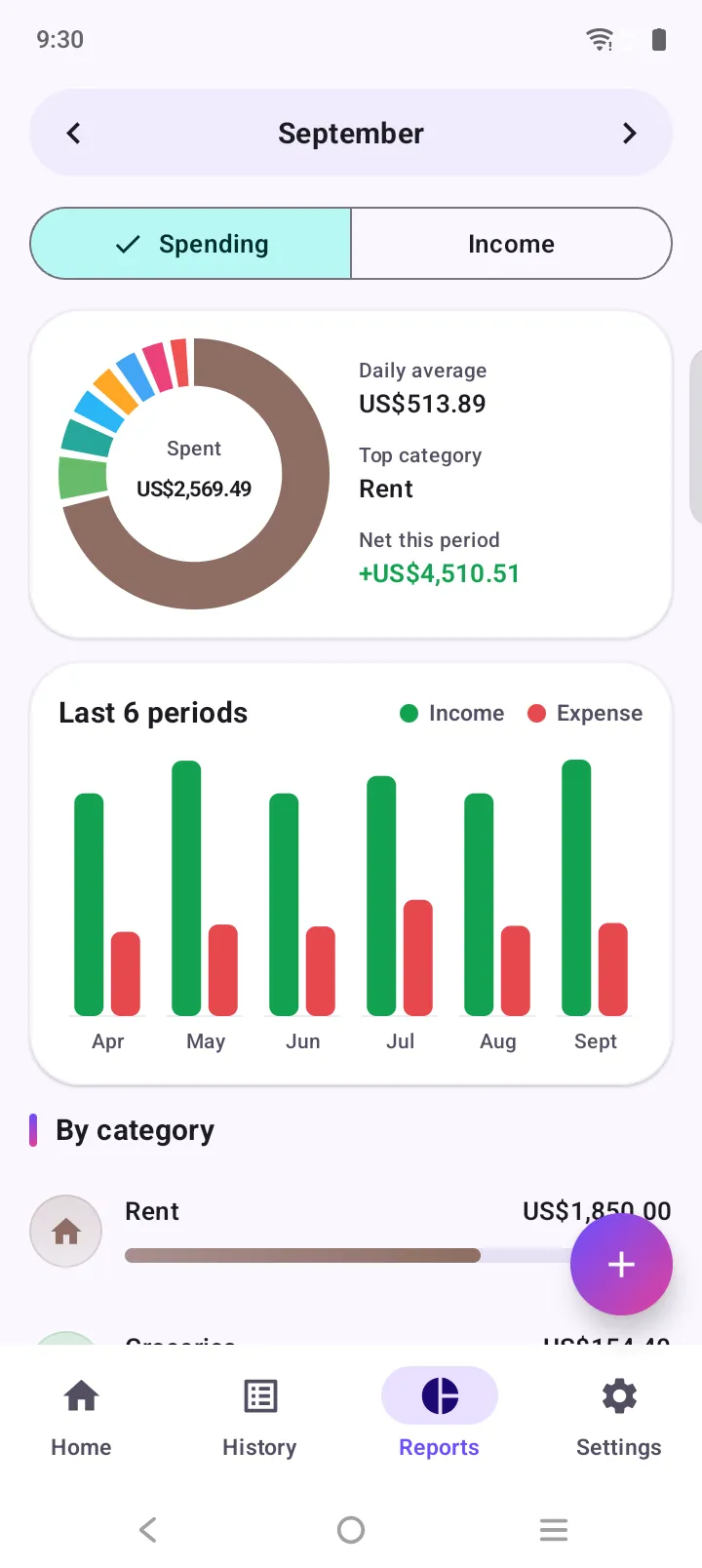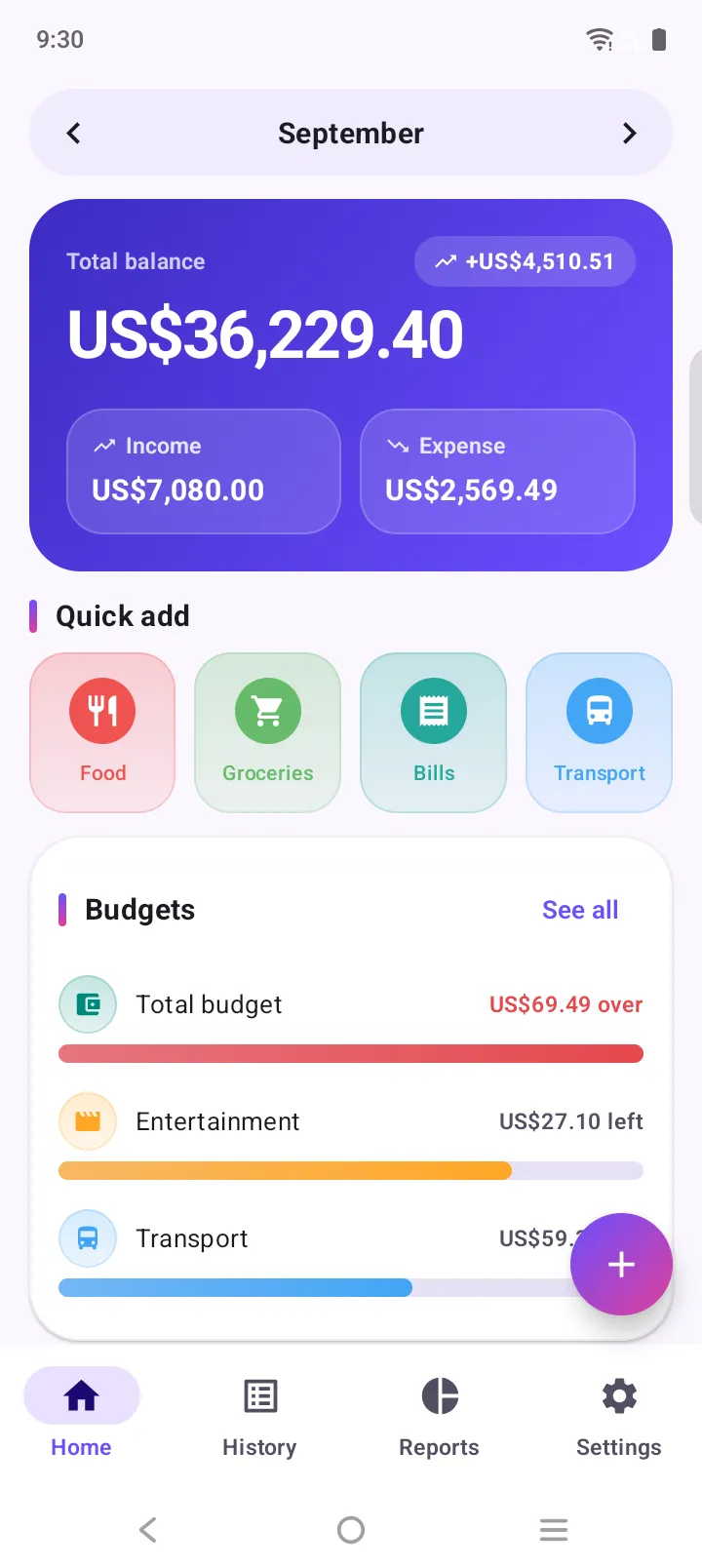
One account per fund
Create a savings account for each fund, or a single “Sinking funds” account. Each shows its live balance.
Car insurance, holiday gifts, the dentist: they aren’t monthly, but they’re not surprises either. Here are 27 sinking funds categories, a calculator for how much to save, and a simple way to track every fund on your phone.
Sinking funds are small amounts saved each month for known, non-monthly costs. The most common sinking funds categories are car repairs and insurance, home maintenance, medical and dental bills, holiday gifts, birthdays, vacations, annual subscriptions, back-to-school costs, pet care and replacing electronics. To size one, divide the expected cost by the months until it is due.
Updated
Tap the ones that apply to you. Your picks are counted below so you can start with the funds that matter.
Tap a category to add it to your list.
Monthly amount = (target − already saved) ÷ months until it’s due.
Expense Manager has no goals feature, but accounts and recurring transfers do the job well. Free, offline, no account.
Create a savings account for each fund, or a single “Sinking funds” account. Each shows its live balance.
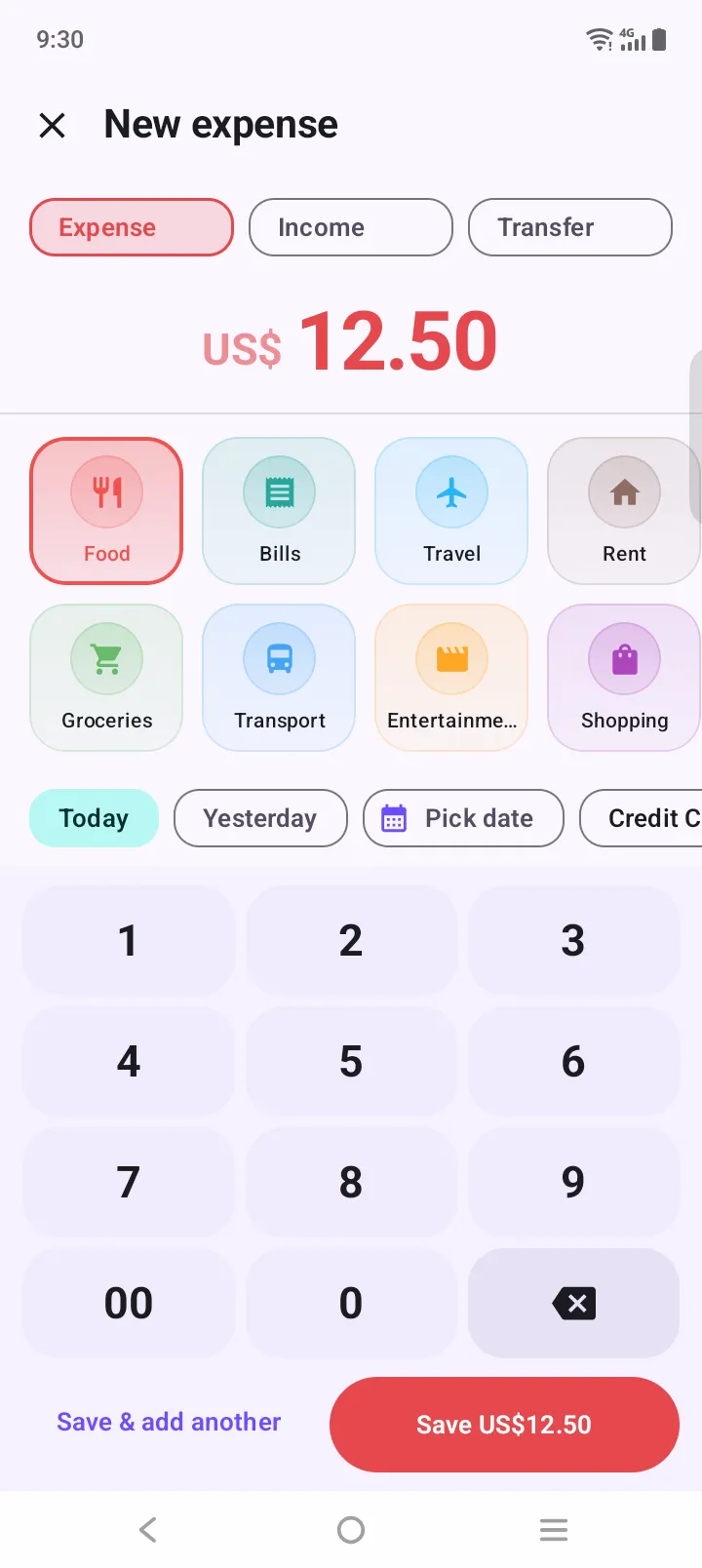
Set a monthly transfer from your main account into the fund. It posts automatically on schedule.
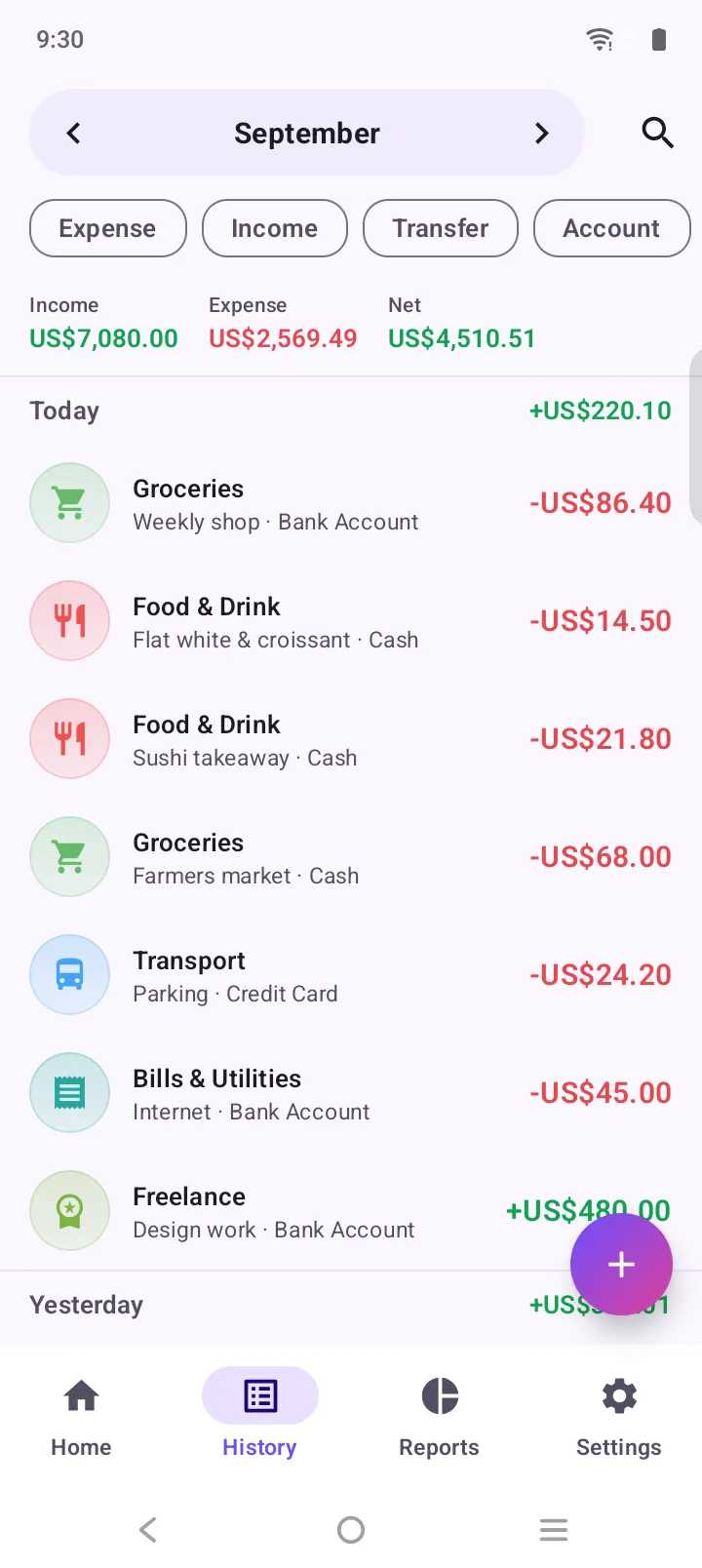
When the bill arrives, record it from the fund’s account. History shows every deposit and withdrawal.
Most budgets don’t break because of groceries. They break in the month the car insurance renews, two birthdays land in the same week, and the dentist says you need a crown. None of those are true emergencies: you knew they were coming, just not when they would all arrive at once.
A sinking fund turns each of those lumps into a small monthly line. $1,200 of holiday spending in December becomes $100 a month all year. When December arrives, you spend the money you already saved and January’s budget stays intact.
Groceries, transport, fun. Money you spend every month, reset each pay period.
Known costs that come once or twice a year. Saved monthly, spent when due.
Truly unexpected events like job loss. Untouched unless something goes wrong.
A sinking fund is money you set aside a little at a time for a known, non-monthly expense, such as car insurance, holiday gifts or a vacation. When the bill arrives, the money is already there, so it doesn’t wreck that month’s budget.
The most common are car repairs and insurance, home maintenance, medical and dental costs, holiday gifts, birthdays, vacations, annual subscriptions, back-to-school costs, pet care and replacing electronics.
Take the expected cost, subtract what you have already saved, and divide by the number of months until it is due. A $600 insurance bill due in 6 months with nothing saved needs $100 a month.
No. An emergency fund covers the unexpected, like a job loss. A sinking fund covers expenses you know are coming but that don’t arrive every month. Most budgets need both.
Start with three to five that cover your biggest irregular costs. Too many small funds become hard to manage; you can always split one later.
Yes. Create a savings account for each fund (or one shared “Sinking funds” account), add a recurring monthly transfer into it, and record the expense from that account when the bill arrives. Each account shows its live balance. The app does not have a dedicated savings-goals feature.
Free on Google Play. No account, no sign-up. Your first expense is three taps away.