A car repair. A dental bill. A laptop that dies the week before a deadline. A gap between jobs. Emergencies are, almost by definition, things you didn’t plan for. But you can plan to be ready for them.
An emergency fund is money set aside for exactly these moments. It’s the difference between an unexpected bill being a stressful inconvenience and it being a debt that follows you for months.
Why it matters so much
Without savings, an emergency usually means borrowing: a credit card, an overdraft, a loan from family. Those can be costly, and they can turn a one-off problem into an ongoing one.
With savings, you pay the bill, take a breath, and rebuild the fund over the next few months. The emergency ends when the bill is paid.
There’s a quieter benefit too: peace of mind. Knowing you have a cushion changes how you feel about money day to day.
How much should you save?
The commonly cited target is three to six months of essential expenses. That’s not three to six months of income. It’s what you’d need to cover the basics: housing, utilities, food, transport, insurance and minimum debt payments.
You might lean toward the higher end if:
- Your income is irregular or commission-based
- You’re self-employed
- You’re the only earner in your household
- You have dependents
- Your industry is unpredictable
That target can feel huge, especially if you’re starting from nothing. So don’t start there.
Start with a small first milestone
Break the goal into stages:
- Starter fund: a small, round number, such as $500 or $1,000. Enough to cover a typical minor emergency without borrowing.
- One month of essentials. A real cushion.
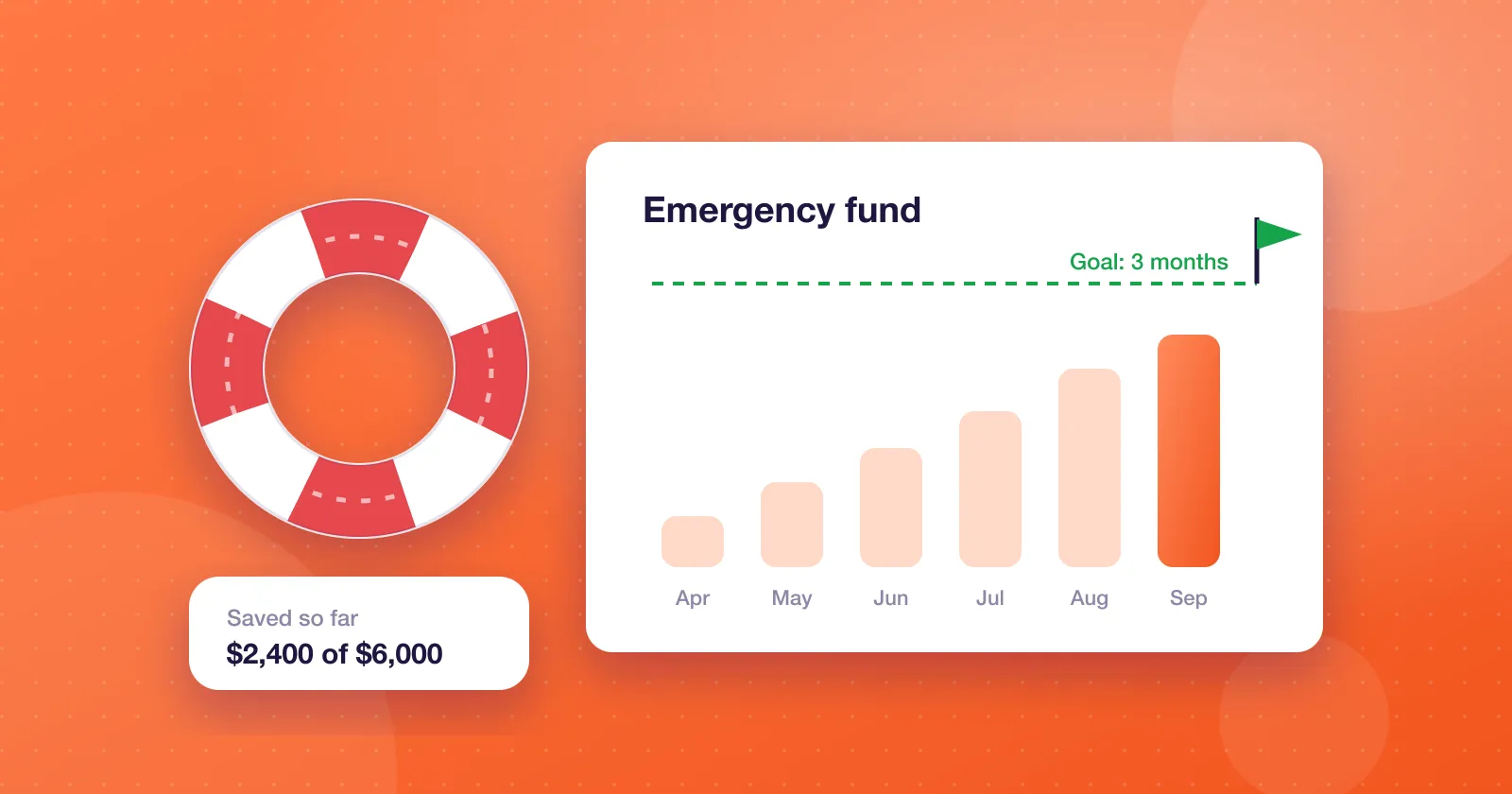
- Three months of essentials. Solid protection.
- Six months, if your situation calls for it.
Hitting the first milestone quickly builds momentum. It also proves to yourself that you can do it.
Where to find the money
Automate a fixed amount on payday
Set up an automatic transfer to savings on the day you’re paid. Even a small amount counts. Money that moves before you see it is money you won’t miss.
Redirect one category
Look at your spending for the last month. Pick one category that’s bigger than you’d like, often eating out or shopping, and trim it by a set amount. Move exactly that amount to savings.
Save windfalls
Tax refunds, bonuses, cash gifts, money from selling things you no longer use. Consider sending some or all of it straight to the fund.
Cut a subscription
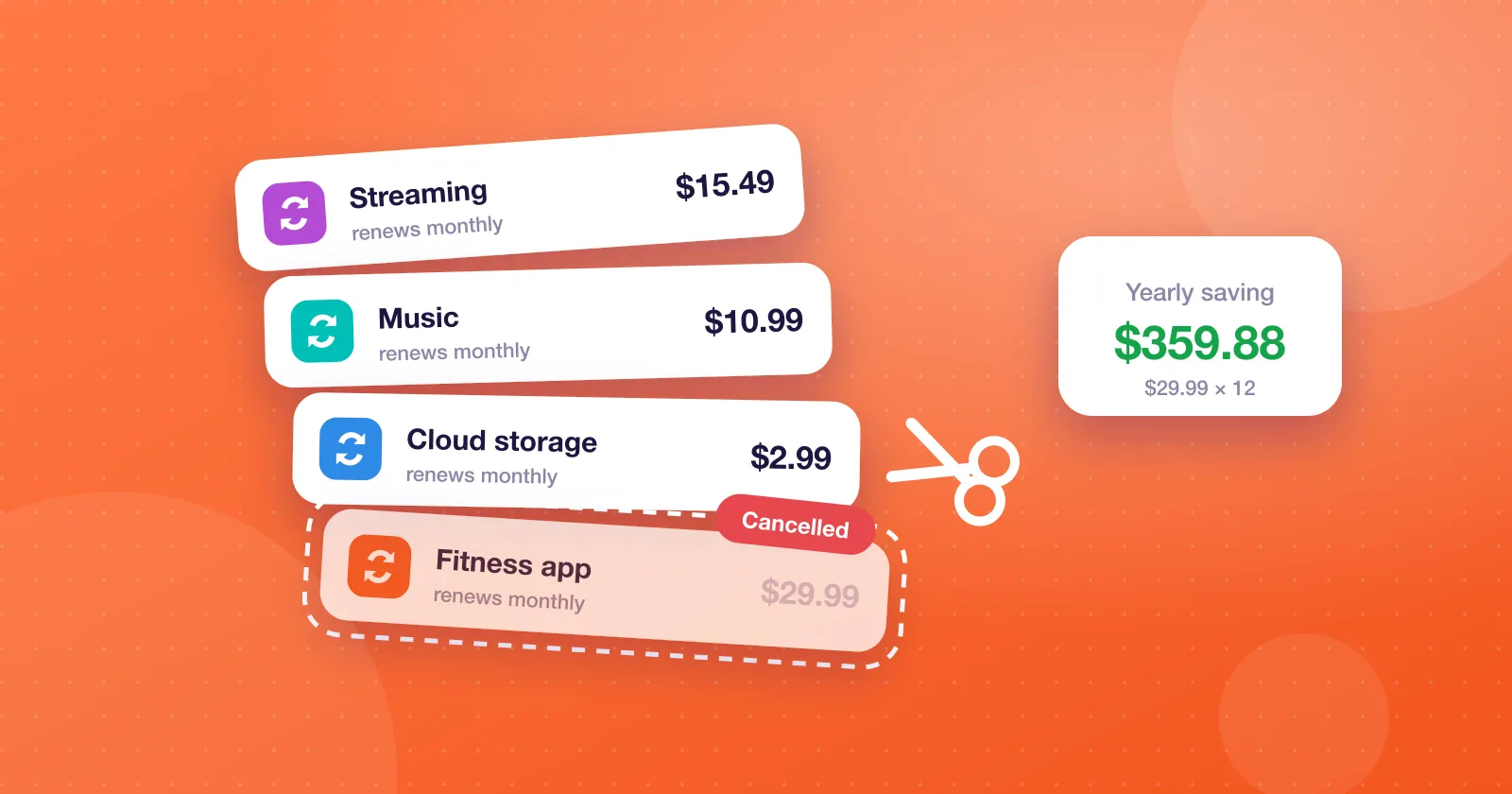
Cancel something you don’t use and redirect that monthly amount to savings. (Our subscription audit guide can help you find candidates.)
Where to keep it
An emergency fund needs to be:
- Separate from your everyday account, so it isn’t accidentally spent
- Accessible within a day or two when you really need it
- Safe, not tied up in investments that could drop in value right when you need them
Many people use a separate savings account for this. If you can find one that pays reasonable interest while staying easy to access, even better.
What counts as an emergency?
Decide this in advance, while you’re calm. A good test is to ask whether it’s:
- Unexpected (not a known expense you forgot to plan for)
- Necessary (not something you’d simply like)
- Urgent (it can’t reasonably wait)
A broken boiler in winter: yes. A great sale on a new TV: no. Next month’s car insurance renewal: that’s a planned expense. Budget for it separately.
Track it so you can see it grow
Watching the number climb is surprisingly motivating. In Expense Manager, you can create a Savings account alongside your cash, bank and card accounts, and record a transfer into it each time you save. Its balance grows in front of you, and your net total reflects the full picture.
When you do have to use it, record the withdrawal, cover the emergency, and start rebuilding. That’s exactly what it’s for.
The bottom line
You don’t need a big income to build an emergency fund. You need a small first goal, an automatic habit, and patience. Start with whatever you can this payday. Future you will be very glad you did.