Almost everyone who decides to “get serious about money” starts the same way: they download an app, set up twelve categories, log three days of spending in perfect detail, and then quietly stop. By week three the app hasn’t been opened, and the guilt of the gap makes it even harder to come back.
The problem is rarely discipline. It’s that the system asked for too much, too soon. Tracking expenses is a habit, and habits grow from small, easy repetitions, not from a heroic first week.
Here’s a way to start that’s built to survive real life.
Start with one rule: log it before you put your phone away
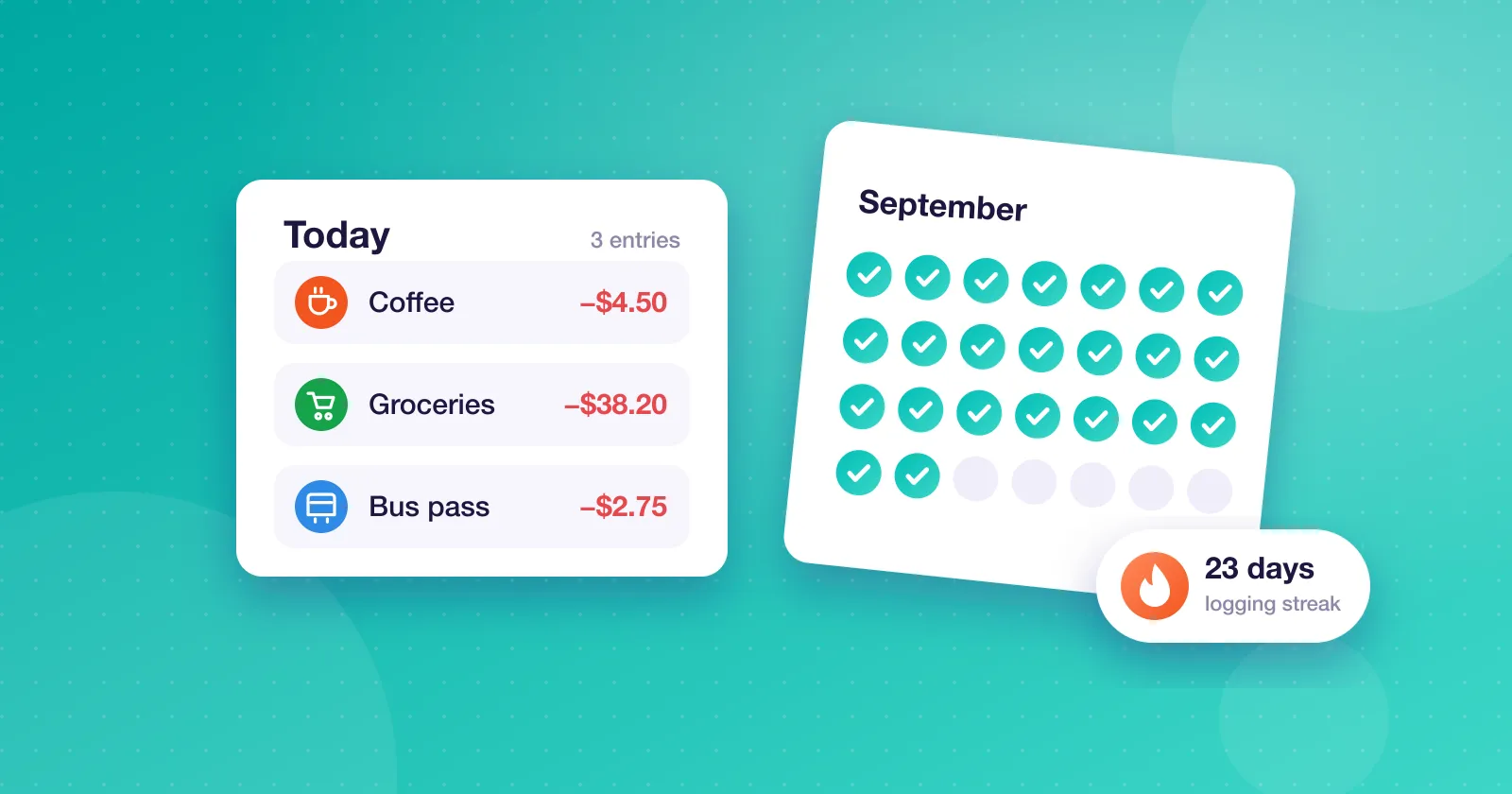
Forget budgets, categories and charts for now. Your only job for the first two weeks is to record every purchase at the moment you make it, before your phone goes back in your pocket.
Why at the moment? Because memory is terrible at money. By the evening, a $4.50 coffee, a $12 lunch and a $7 parking fee have merged into “I think I spent about twenty dollars.” Logging on the spot takes a few seconds. Reconstructing a day from bank statements takes twenty minutes and never quite adds up.
If your tracker needs more than a few taps per entry, it’s too slow for this. In Expense Manager, adding an expense is three taps: the plus button, the amount, the category. That speed is the whole point. Friction is what kills the habit.
Use fewer categories than you think
It’s tempting to create a category for everything: “Coffee”, “Lunch at work”, “Lunch on weekends”, “Snacks”. Resist it. Every extra category is a small decision you have to make every time you log something, and decisions are friction.
Start with broad buckets:
- Food & drink (eating out, coffee, snacks)
- Groceries
- Transport
- Bills & utilities
- Rent or housing
- Shopping
- Entertainment
- Other
You can always split a category later once you know where the money actually goes. It’s much harder to merge twelve messy categories after the fact.
Don’t budget yet. Just watch
This is the part most people skip. For the first month, don’t set any limits. Just record.
A budget made before you have data is a guess, and usually an optimistic one. You’ll set $200 for eating out, blow past it by day twelve, feel like you failed, and quit. But you didn’t fail. The number was wrong.
After a month of honest tracking you’ll have something far more useful than a guess: a real picture of your spending. That’s when budgets start to work, because they’re built on what you actually do rather than what you hope to do.
Pair the habit with something you already do
Habits stick best when they’re attached to an existing routine. A few that work well:
- After paying: tap, log, pocket. Make it part of the purchase itself.
- On the commute home: a quick scan for anything you forgot.
- With your evening wind-down: a thirty-second check that today’s entries look right.
A daily reminder notification can help in the early weeks, but treat it as a backup, not the main system. The goal is for logging to happen without being asked.
When you miss a day (you will), just keep going
Missing a day is not the end of the experiment. The worst thing you can do is decide that because the record isn’t perfect, it’s worthless.
If you forget something, add it when you remember. Pick the right date and move on. If you can’t remember at all, let it go. A tracker that’s 90% complete is enormously more useful than one you abandoned because it was only 90% complete.
Consistency beats accuracy. A rough record you keep for a year teaches you more than a perfect one you keep for a week.
What to look for after 30 days
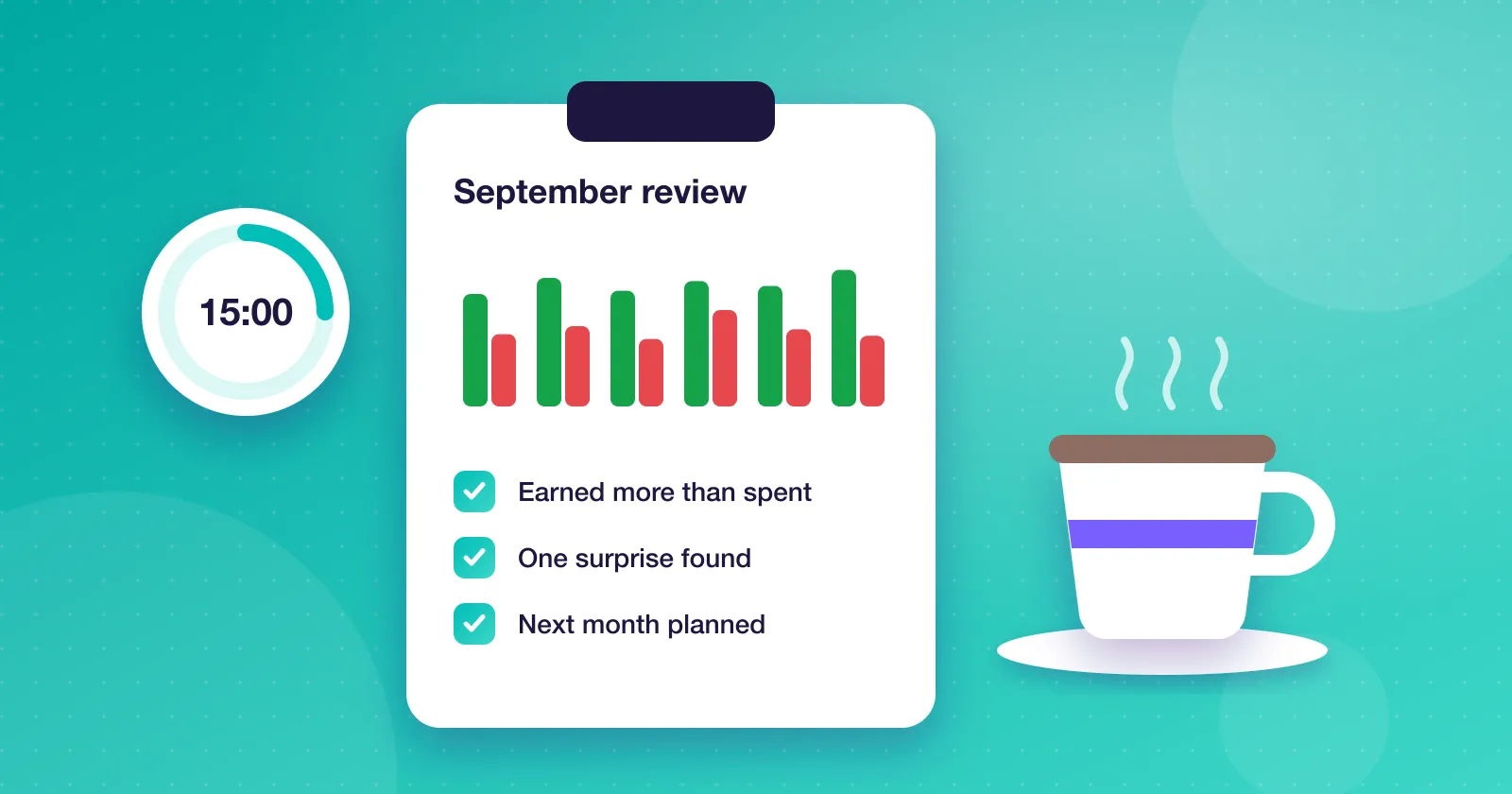
Once you have a month of data, sit down for fifteen minutes and look at it. You’re looking for surprises, not failures. Common ones:
- A category that’s much bigger than you expected (for many people it’s food, eaten out)
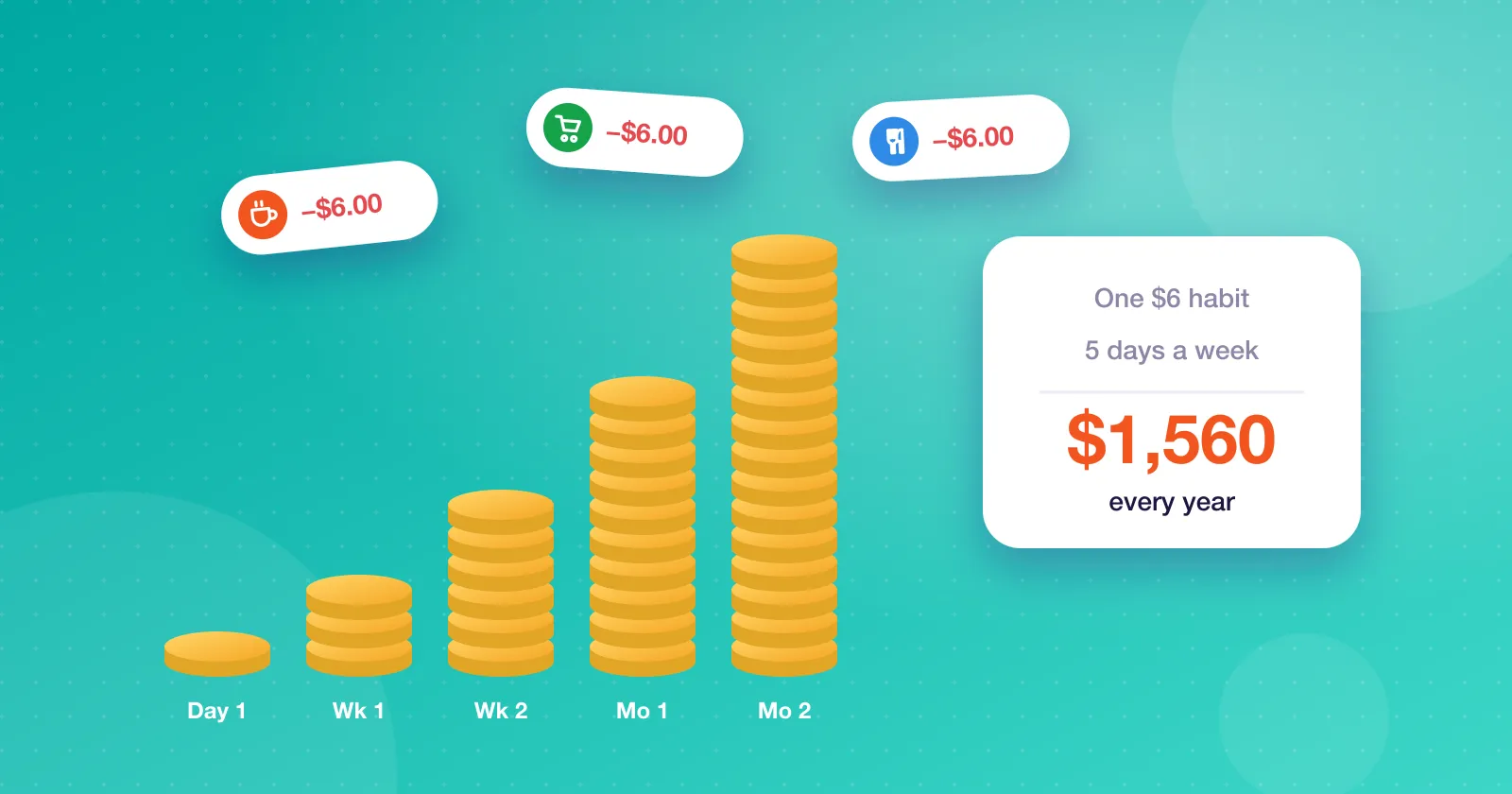
- Lots of small purchases that add up (the “$6 problem”)
- Subscriptions you forgot you had
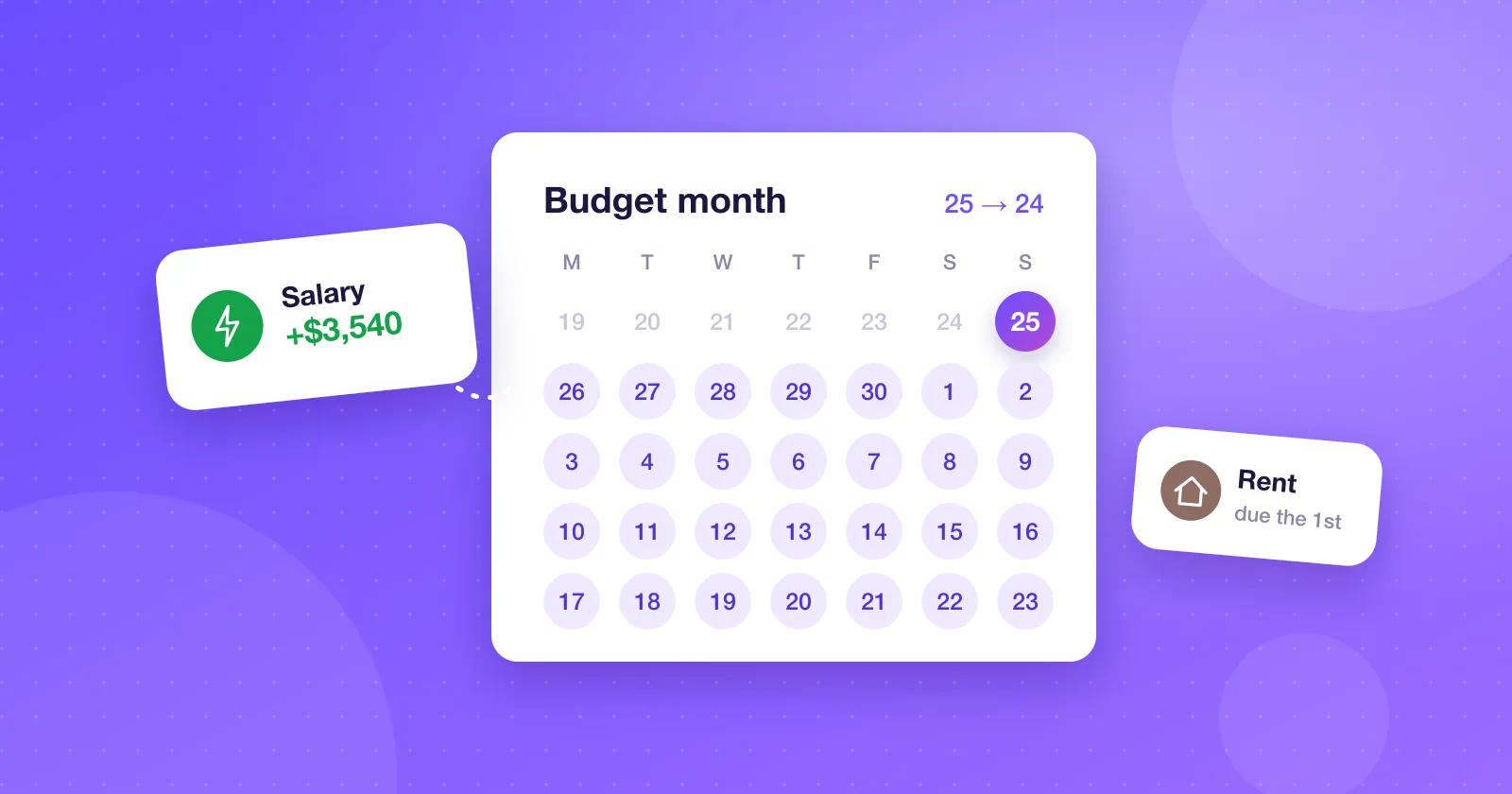
- Spending that clusters around certain days, like payday or weekends
Don’t try to fix everything. Pick one thing that surprised you and decide what you want to do about it. That might be your first budget.
The takeaway
Tracking expenses isn’t about restriction. It’s about seeing clearly. Keep the first step tiny: log every purchase at the moment you make it, with a handful of broad categories, and don’t judge the numbers for a month.
Do that, and by next month you won’t be “starting to track expenses” again. You’ll just be someone who does.