When people look at their spending for the first time, they often expect the problem to be something big: a holiday, a new phone, an expensive night out. More often, the surprise is how much disappears in small amounts. A coffee here, a snack there, a delivery fee, an app purchase, a quick top-up at the corner shop.
Call it the $6 problem. No single purchase feels like it matters, so none of them get noticed. But they happen so often that together they can rival the big categories.
Why small purchases slip under the radar
They don’t trigger a decision. Spending $300 makes you pause. Spending $6 happens on autopilot.
They’re frequent. Something you buy once a month barely registers. Something you buy most working days adds up to a lot of purchases a year.
They blend together. On a bank statement, a string of small charges is easy to skim past, especially when the merchant names are cryptic.
Tap-to-pay removes the friction. Handing over cash made spending tangible. A tap on a card reader barely registers at all.
Do the yearly math
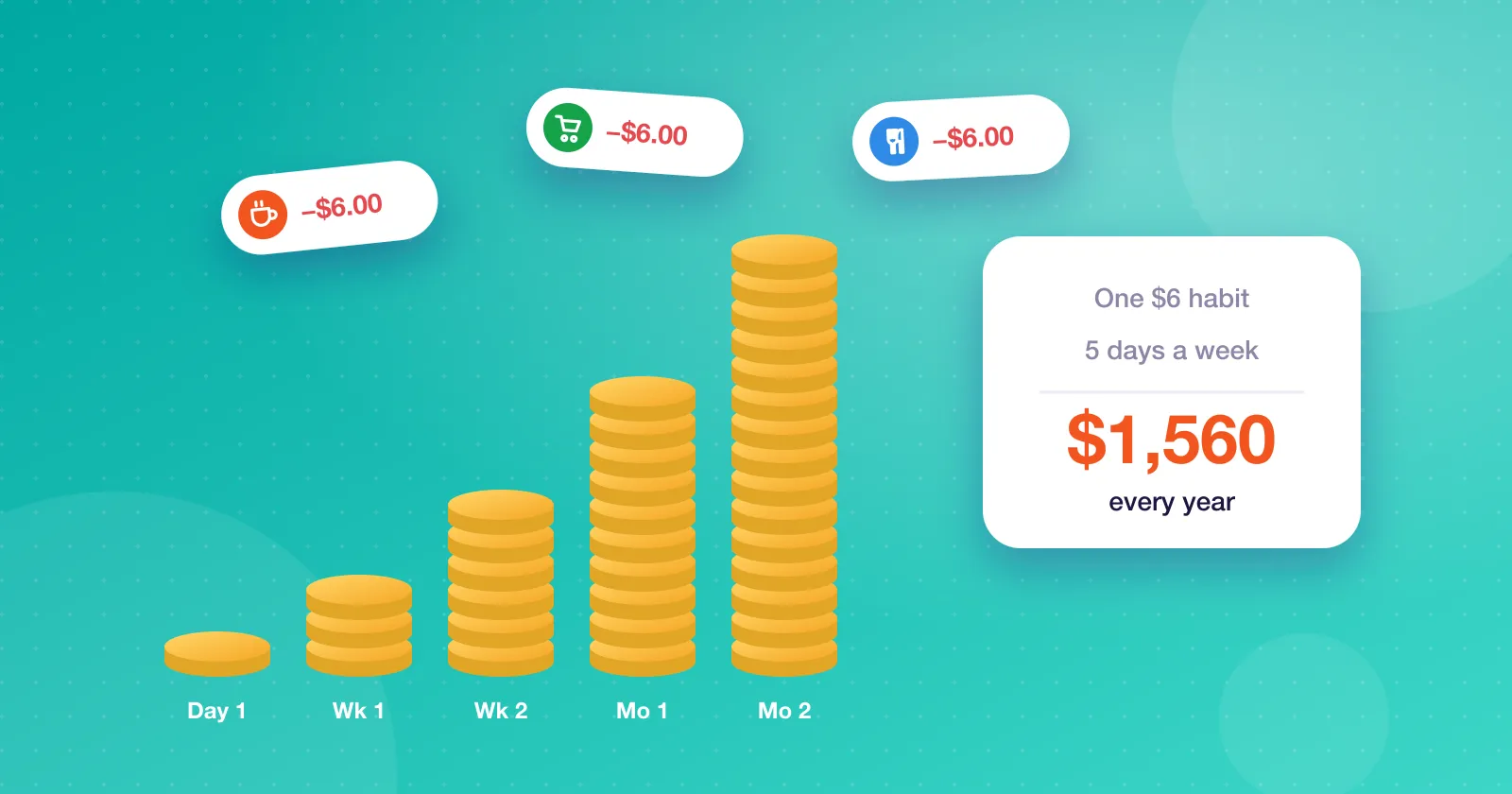
The quickest way to see small purchases clearly is to multiply them out. Take a few examples:
| Habit | Cost | Frequency | Per year |
|---|---|---|---|
| Takeaway coffee | $4.50 | 5 days a week | about $1,170 |
| Vending machine snack | $2.00 | 4 days a week | about $415 |
| Delivery fee and tip on lunch | $6.00 | 2 days a week | about $625 |
| Convenience store “top-up” shop | $8.00 | 3 times a week | about $1,250 |
These are illustrations, not judgments. Your own habits will look different. But running the numbers on yours is often eye-opening.
This isn’t about cutting out everything you enjoy
Here’s the important part: the goal isn’t to eliminate small pleasures. A morning coffee you genuinely love may be one of the best-value things you buy all week.
The goal is to make small purchases conscious. Spend on the ones you value, and let go of the ones that happen purely out of habit or convenience.
How to spot yours
Track everything for a month, even the tiny stuff
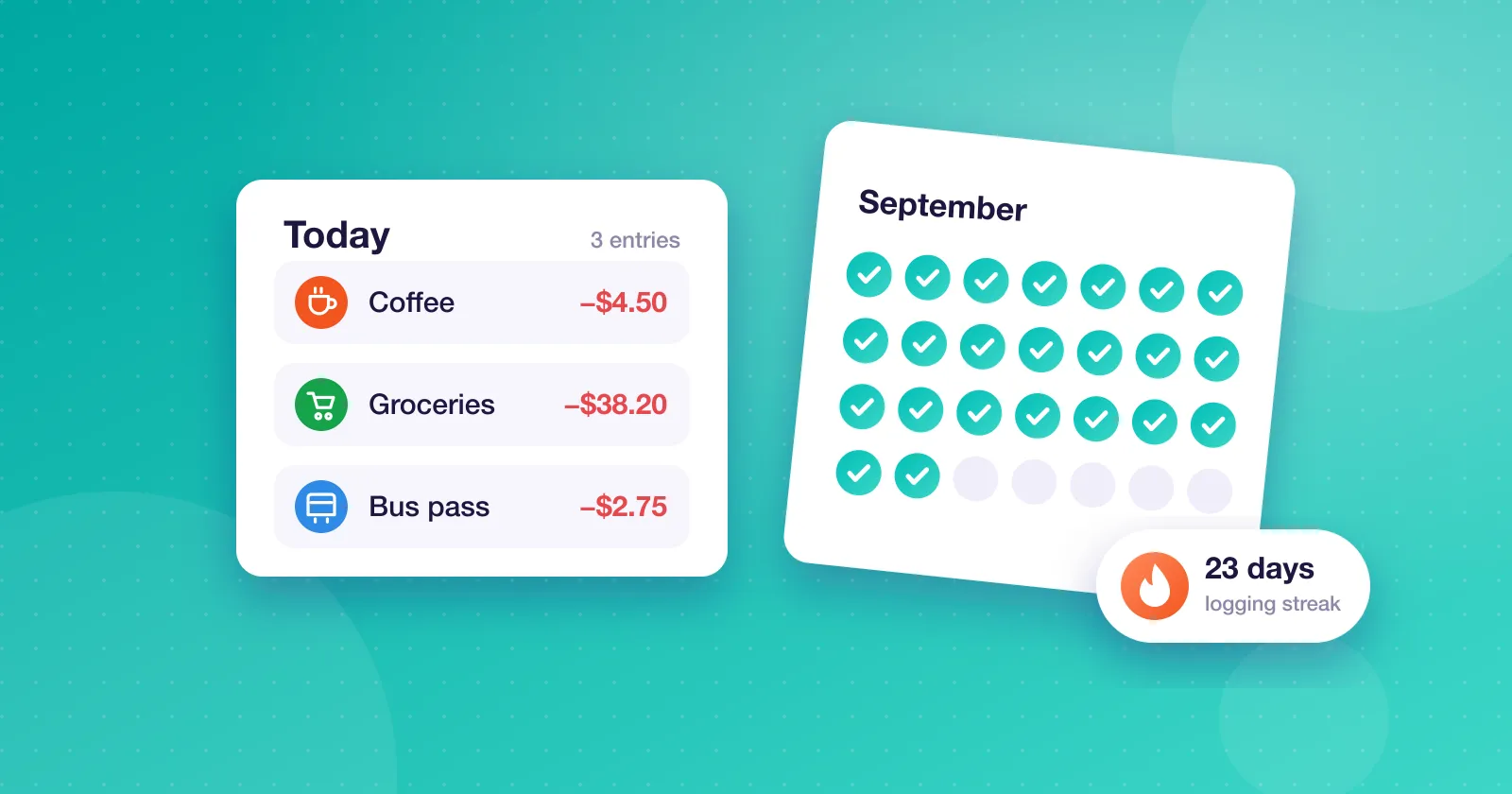
Small purchases are exactly the ones people skip when tracking. “It’s only $3, I won’t bother.” That’s how they stay invisible. For one month, log every single purchase, however small. A fast tracker makes this painless. In Expense Manager, it’s three taps.
Look at frequency, not just totals
At the end of the month, look at your history for repeat entries. Search for words like “coffee”, “snack” or “delivery” in your notes and categories. How many times did each one happen? The count is often more surprising than the total.
Check the “Food & drink” category closely
For many people, eating and drinking out is where small purchases concentrate. Tap into that category in your reports and look at what’s inside.
Practical ways to shrink the $6 problem
- Keep the ones you love, swap the ones you don’t. Love your café latte? Keep it. Only buy the vending machine snack because you’re hungry at 3pm? Bring something from home.
- Batch instead of trickle. One planned weekly shop usually beats several small top-up trips.
- Watch the fees. Delivery fees, service charges and small-order surcharges are small purchases hiding inside other purchases.
- Set a small budget for small things. Give “treats” or “coffee” its own modest monthly budget. When it’s used up, it’s used up, guilt-free until next month.
- Add a pause. Before an unplanned small purchase, ask: “Would I buy this if it cost ten times as much?” If the answer is a clear no, it may just be habit.
The bottom line
Big purchases get attention. Small ones get away. By tracking every purchase, however small, for a month and doing a little yearly math, you can find the small habits that aren’t worth it, and enjoy the ones that are, without the nagging feeling that money is leaking away.