The 50/30/20 rule is one of the most popular budgeting frameworks around, and for good reason. It’s simple enough to remember and flexible enough to apply to almost any income. But if you’ve ever tried it and found your numbers nowhere close, you’re not alone.
Here’s how the rule works, why it often doesn’t fit neatly, and how to adjust it so it’s useful rather than discouraging.
The rule in one minute
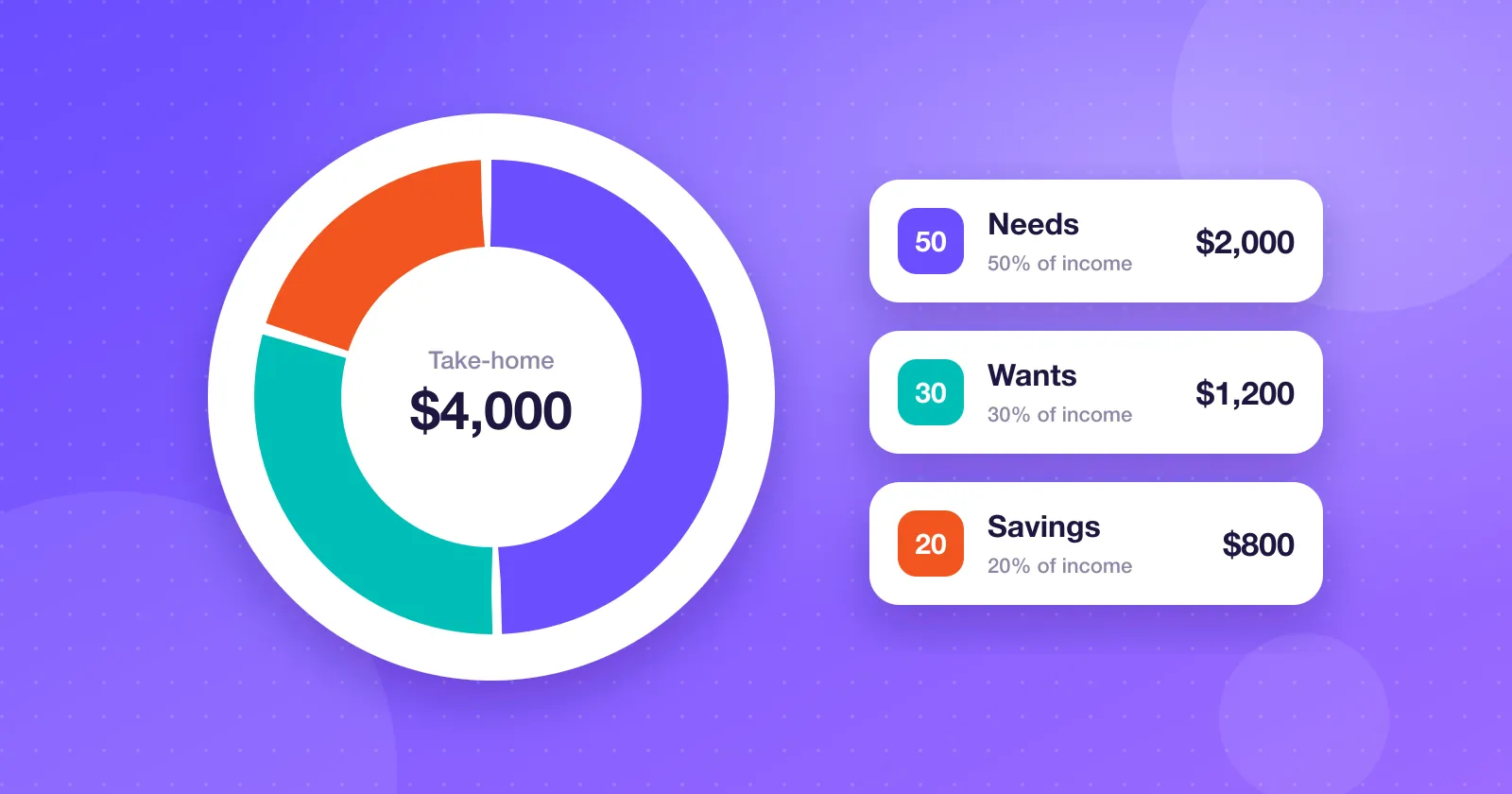
Take your after-tax income and split it three ways:
| Share | Goes to | Examples |
|---|---|---|
| 50% | Needs | Rent, utilities, groceries, insurance, minimum debt payments, getting to work |
| 30% | Wants | Eating out, hobbies, streaming, travel, shopping beyond the basics |
| 20% | Savings & debt | Emergency fund, retirement, paying off debt faster than the minimum |
So on a take-home income of $4,000 a month, that’s $2,000 for needs, $1,200 for wants and $800 for savings.
The appeal is obvious. Instead of budgeting twenty categories, you’re watching three numbers.
Where it breaks down
The ratios are a guideline, and for many people the “needs” half is where it falls apart. Housing costs alone can take a large share of take-home pay, especially in expensive cities or on a single income. Add groceries, utilities, transport and insurance and 50% can be out of reach before you’ve bought anything fun.
There’s also the fuzzy line between needs and wants. Is your phone plan a need? The basic plan probably is; the premium one with the newest handset probably isn’t. Are groceries a need? Yes, but a weekly shop that includes a lot of premium extras is part need, part want.
None of this means the rule is useless. It means the numbers are a target, not a test you pass or fail.
How to adapt it
1. Measure first, then compare
Before you judge yourself against 50/30/20, find out where you actually are. Track a month of spending, then group each category as a need, a want or savings. You might find you’re at 65/25/10. That’s not a failure; it’s your starting point.
2. Move the ratios gradually
If your needs are at 65%, you probably can’t get to 50% quickly. Rent doesn’t drop because a budgeting rule says it should. Instead, aim to move a few percentage points at a time. Going from 10% to 15% savings is a real, meaningful win.
3. Protect the 20% first when you can
If there’s one number worth defending, it’s savings. The classic advice to “pay yourself first” exists because whatever’s left at the end of the month has a way of disappearing. If you can, move your savings amount out on payday, before spending begins.
When money is genuinely tight, it’s fine for savings to shrink temporarily. Even a small, consistent amount keeps the habit alive.
4. Try a different split if it suits your life better
Some common variations:
- 60/20/20 for high-cost housing areas: more for needs, less for wants, savings protected.
- 70/20/10 for people starting out or recovering from a tough period.
- 50/20/30 once needs are under control and you want to save aggressively.
The best ratio is the one you can keep up for more than a month.
Putting it into practice
You don’t need a special app to run 50/30/20, but it helps to see your categories grouped together. A simple approach in Expense Manager:
- Keep your normal spending categories.
- Set a monthly budget for each one, sized so that your “need” categories add up to your needs target and your “want” categories add up to your wants target.
- Add an overall budget equal to your needs plus wants. Whatever’s left over is your savings.
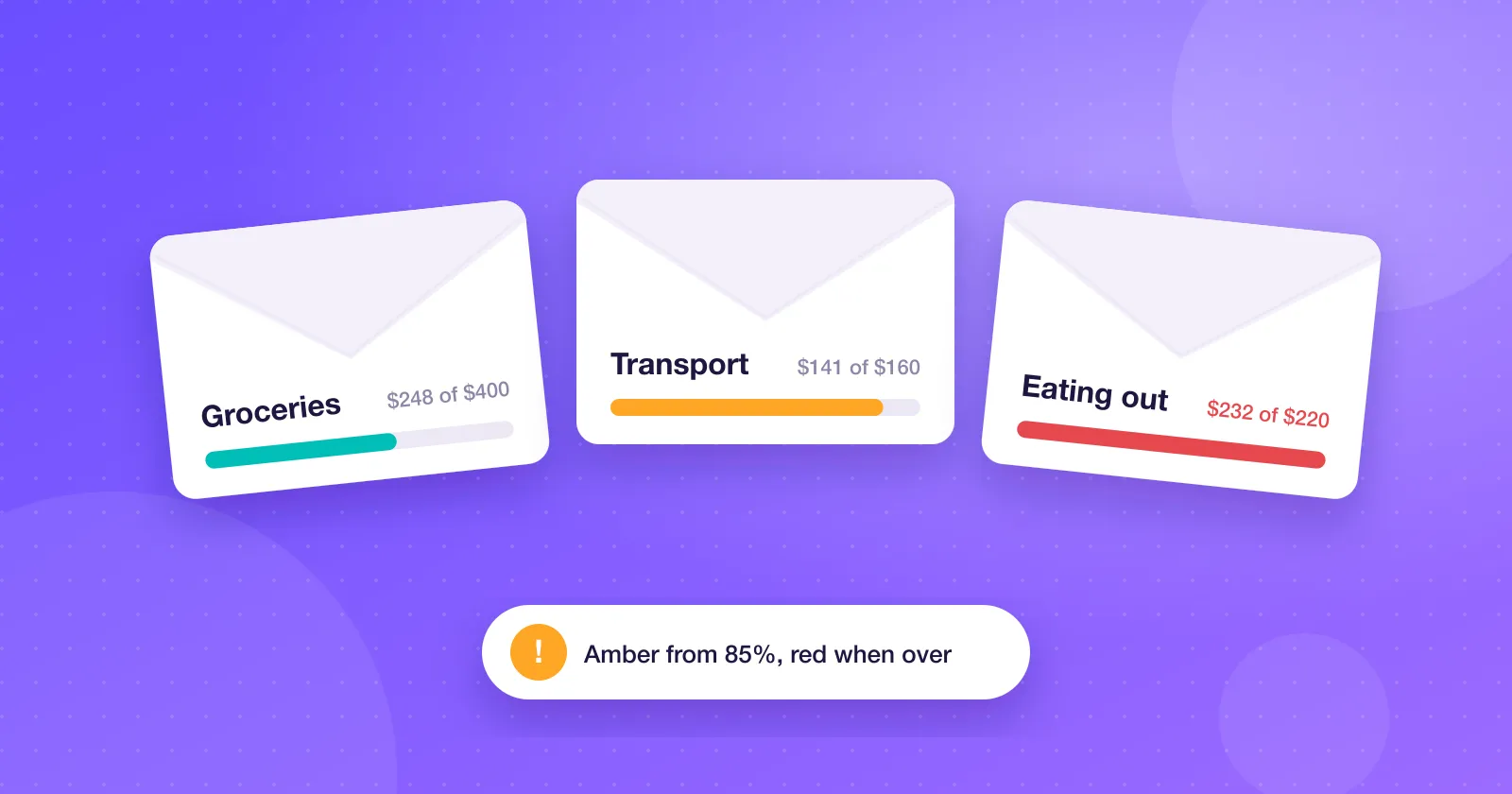
As you log expenses, the budget bars show which categories are running hot. When a bar turns amber, you know you’re past 85% of that category before it becomes a problem.
The bottom line
The 50/30/20 rule is a compass, not a map. Use it to point you in the right direction: spend less than you earn, keep wants in check, and save something every month. Then adjust the numbers until they fit the life you actually have.